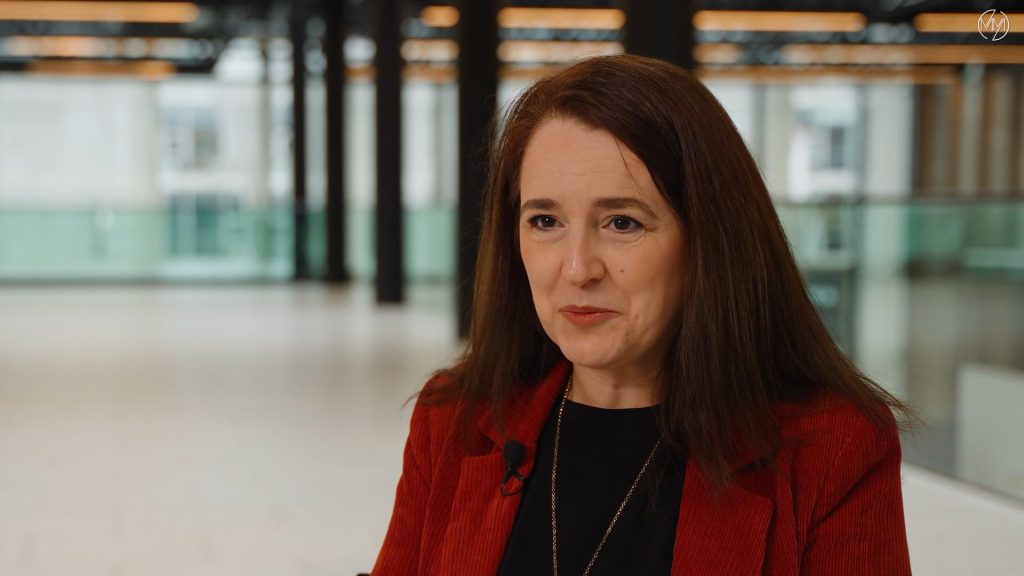
Presented by Dr Elena Prisciandaro (Hôpital Erasme -H.U.B., Brussels, Belgium)
In this daily highlights video from the European Lung Cancer Congress (ELCC) 2026 in Copenhagen, Dr Elena Prisciandaro, thoracic surgeon at the Hôpital Erasme – H.U.B. in Brussels highlights how rapid therapeutic advances are reshaping the role of thoracic surgery in lung cancer management. A central theme emerging from the meeting is the redefinition of surgical indications within an evolving multidisciplinary framework that increasingly integrates systemic therapies, including immunotherapy and targeted agents.
One of the most discussed topics was the concept of resectability, especially in stage III NSCLC. The recent Delphi consensus statement by the EORTC Lung Cancer Group has reignited debate by proposing standardized criteria for resectability in clinical trials.1 Importantly, accumulating evidence suggests that resectability should no longer be considered a fixed, static definition. Instead, it is increasingly viewed as a dynamic parameter that can evolve following induction systemic therapies. Several studies demonstrate that tumors initially deemed unresectable or borderline resectable may become amenable to surgery after significant downstaging.
In this context, the emerging concept of “immunosurgery,” defined as surgical resection following immunotherapy, was extensively discussed. While this approach may be associated with increased intraoperative complexity and postoperative morbidity, early results indicate favorable oncological outcomes. These findings support ongoing clinical trials exploring surgery in patients previously excluded from surgical management. Similarly, the notion of conversion surgery for initially unresectable or borderline tumors is gaining traction, with recent studies reporting that a substantial proportion of patients can undergo resection after induction treatment, often demonstrating meaningful pathological responses.
Another key focus of the congress was the role of surgery in oligometastatic disease. Traditionally considered outside the scope of surgical intervention, metastatic NSCLC is now being revisited in light of improved systemic therapies. Although a universally accepted definition of oligometastatic disease remains lacking, emerging data suggest that carefully selected patients may benefit from local ablative treatments, including surgery, radiotherapy, and thermal ablation techniques. The integration of these modalities reflects a shift toward personalized treatment strategies.
Notably, secondary analyses from the NorthStar trial provided important insights into patient selection.2 In this study, patients with EGFR-mutated advanced NSCLC treated with induction osimertinib who achieved nodal clearance (conversion from N+ to N0) experienced a significantly prolonged progression-free survival when local ablative therapies were added, compared to systemic therapy alone.2 Additional predictive factors for benefit included response to induction therapy, longer disease-free intervals, and absence of bone metastases.
Overall, ELCC 2026 underscores a paradigm shift toward individualized, biology-driven treatment approaches. Surgery is no longer defined solely by anatomical criteria but is increasingly integrated into a broader therapeutic continuum, tailored to tumor response and patient-specific characteristics.
References:
1. Dingemans A-M, et al. Lancet Resp Med 2026; Online ahead of print.
We use cookies to ensure that we give you the best experience on our website. If you continue to use this site we will assume that you are happy with it.